What to Expect on a Mobile Safari in the Okavango Delta
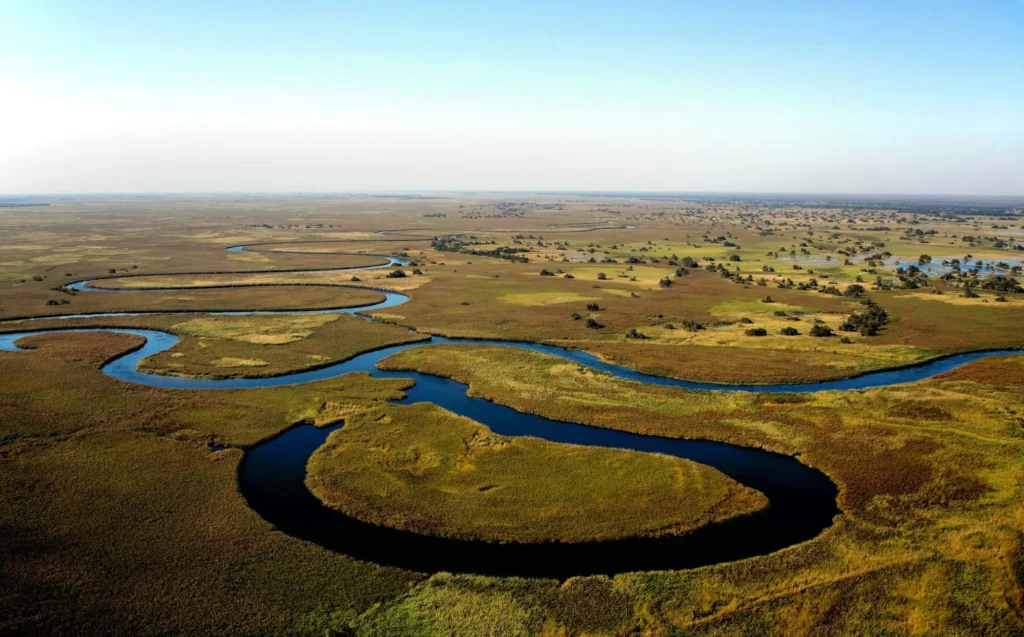
A mobile safari in the Okavango Delta is unlike any other safari experience in Africa. You are not staying in a fixed lodge behind a fence. You are moving through the wilderness itself - camping in remote areas, waking up to sounds that no building can replicate, and seeing Botswana the way very few visitors ever do.
If you have never been on a mobile safari before, you probably have questions. What does the camp actually look like? What do you sleep on? How does a typical day unfold? What should you bring? Our Lead Guide answers all of those questions, based on how we run safaris at Bush Baby Calls - nothing generic, nothing that doesn't reflect what you will actually experience.
What Is a Mobile Safari?
A mobile safari is exactly what it sounds like: a safari that moves. Rather than basing yourself in one lodge and driving to game areas each day, a mobile safari sets up camp in the wilderness itself - inside or on the edge of a game reserve - and relocates as the itinerary requires.
At Bush Baby Calls, we operate mobile camping safaris across the Okavango Delta and Moremi Game Reserve. Our camp travels with us: tents, bedding, kitchen equipment, and everything needed to set up a comfortable, fully catered camp in remote locations. We move when the experience calls for it, positioning ourselves where the wildlife and the season are at their best.
This is not roughing it. It is a completely different category of experience.
What Does the Camp Look Like?
Camp is set up by our team before you arrive at each new location. When you pull in after a game drive, everything is ready.
Each guest sleeps in a proper canvas tent with a real single bed - not a stretcher, not a sleeping mat on the ground. This is a non-negotiable standard at Bush Baby Calls. Real beds, with full bedding, on every tour, at every camp. If you have read elsewhere that mobile camping means sleeping on the floor, that is not what we do.
The dining area is set up under the sky - a proper table, chairs, and a camp kitchen where our bush chef prepares all meals from scratch. Breakfast before the morning game drive. A hot lunch back in camp. Dinner under the stars, usually around a fire.
Ablutions are simple but clean. Bush toilets and bucket showers are standard on mobile safaris. Hot water is heated over the fire and ready when you return from game drives. It is not a hotel bathroom, but guests consistently tell us it is more than they expected - and that the evening shower under an open sky is one of their favourite memories.
How Does a Typical Day Unfold?
The rhythm of a day on safari is governed by two things: wildlife behaviour and light. Here is what a standard day looks like on a Bush Baby Calls safari.
Before dawn You will be woken with tea or coffee brought to your tent - usually around 5:30am. The pre-dawn hour in the Delta is extraordinary: cool air, the sounds of the bush waking up, and a darkness that most guests have never experienced before. This is when we head out for the morning game drive.
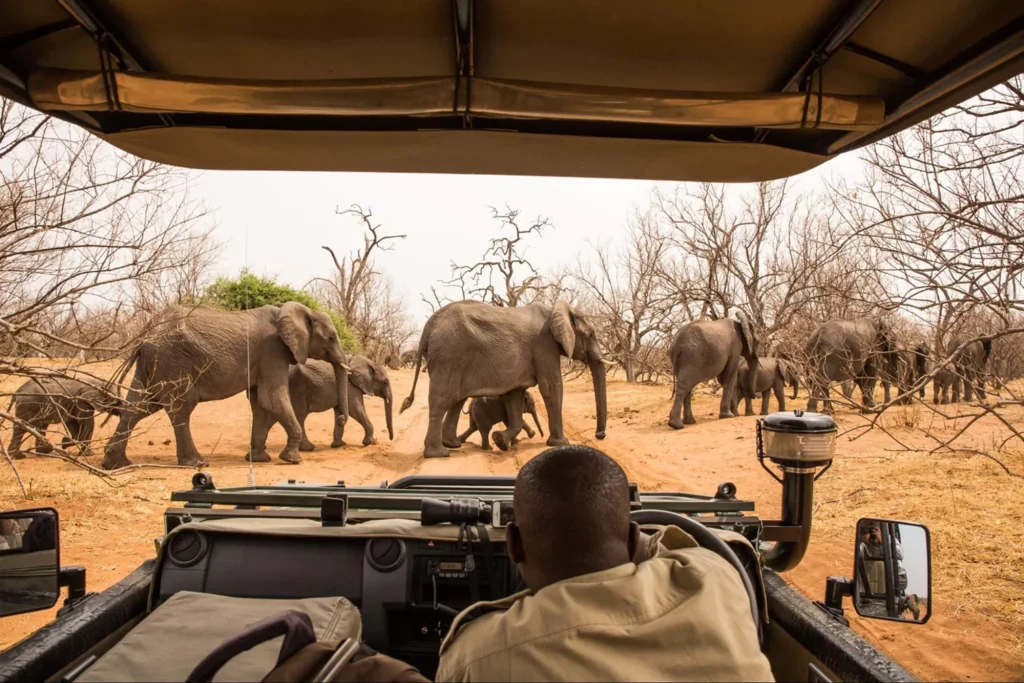
Morning game drive The first two to three hours after sunrise are the best time for wildlife activity. Animals are moving, predators are finishing hunts, and the light is perfect. We drive open-sided Toyota Land Cruisers, which allow 360-degree visibility and unobstructed photography.
Return to camp and breakfast After the morning drive - usually by 9am - we return to camp for a full cooked breakfast. This is when guests have time to rest, read, or explore the immediate camp area on foot with a guide if they choose.
Midday The middle hours of the day are warm and wildlife activity drops. This is time to rest, review photographs, or enjoy the quieter side of bush life. Lunch is served in camp.
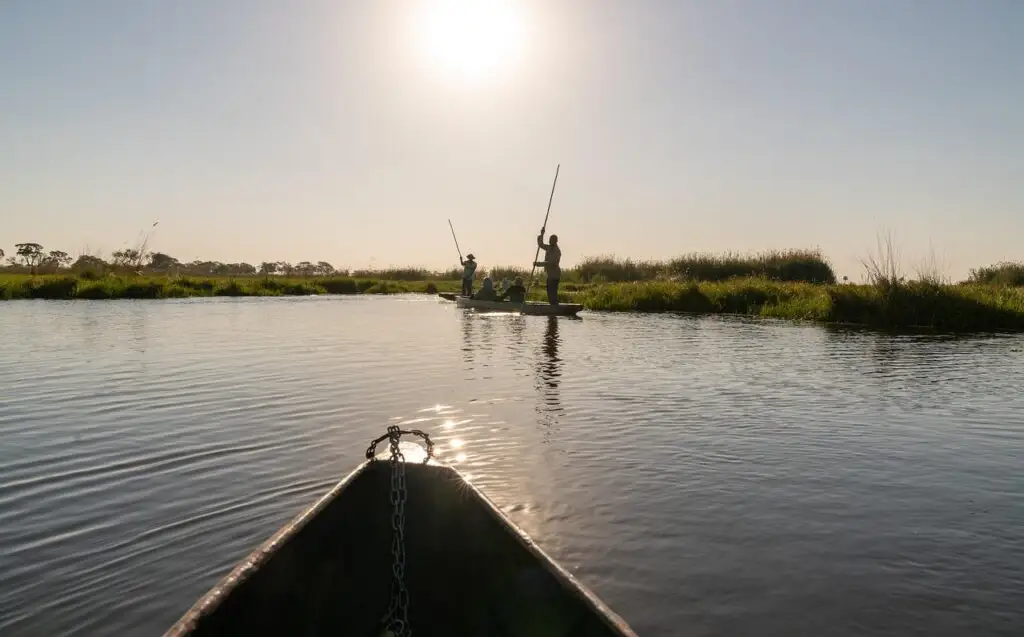
Afternoon mokoro or boat activity Depending on your itinerary and the season, the afternoon session may be a mokoro excursion through the Delta channels, a boat cruise along the waterways, or a guided bush walk. This is where the Okavango Delta experience becomes something beyond a standard game drive: gliding silently through papyrus reeds, passing hippos at close range, watching the birdlife of one of Africa's great wetland systems at water level.
Afternoon and evening game drive The late afternoon, from around 3:30pm onwards, is the second peak of wildlife activity. We drive until the last light fades - and the Delta at dusk is something guests remember for the rest of their lives.
Dinner and the evening Dinner is served around the campfire. Our bush chef prepares a proper three-course meal. Guests eat under a sky with no light pollution - in the Delta, on a clear night, the Milky Way is visible with the naked eye. The evening ends around the fire, with the sounds of the African night surrounding you.
What Wildlife Will You See?
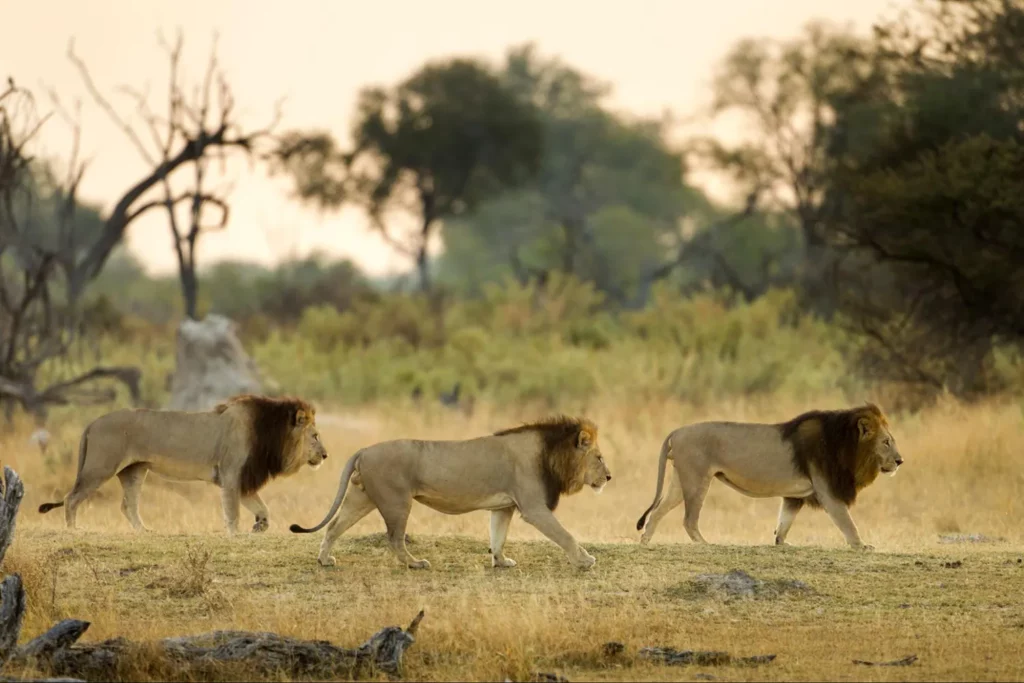
The Okavango Delta and Moremi Game Reserve together represent one of the most biodiverse wildlife systems in Africa. What you see depends on the season and where we are camped, but across a Bush Baby Calls safari of three days or more, guests consistently encounter elephant, lion, leopard, wild dog, hippo, crocodile, giraffe, zebra, buffalo, and an enormous variety of birdlife.
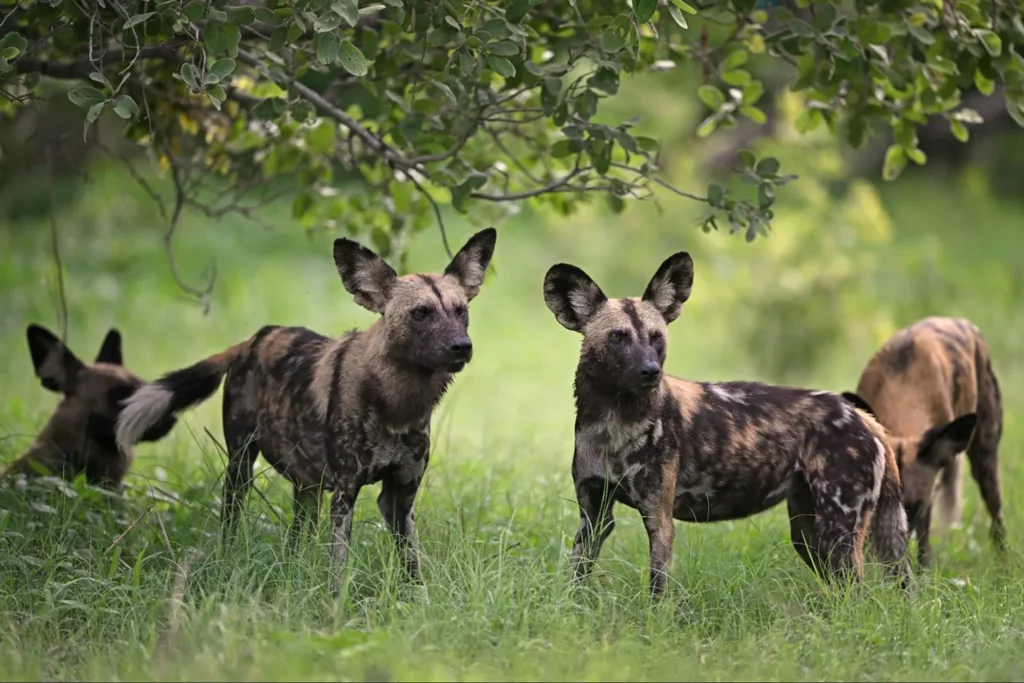
Moremi is one of the best places in Africa to see African wild dogs - an endangered species that exists in large, stable packs here. Wild dog sightings are never guaranteed, but on active searches in Moremi, our guides regularly locate packs.
The Delta's waterways bring a different category of wildlife encounter. Hippos are present in large numbers and are best observed from a mokoro or boat at close range. Fish eagles, herons, kingfishers, and the extraordinary Pel's Fishing Owl are all resident species.
What Are the Different Safari Activities?
A mobile safari in the Okavango Delta is not just game drives. Depending on your package, you will experience:
Game drives in open-sided 4x4 vehicles - morning and afternoon, following wildlife and responding to what the bush is showing us on any given day.
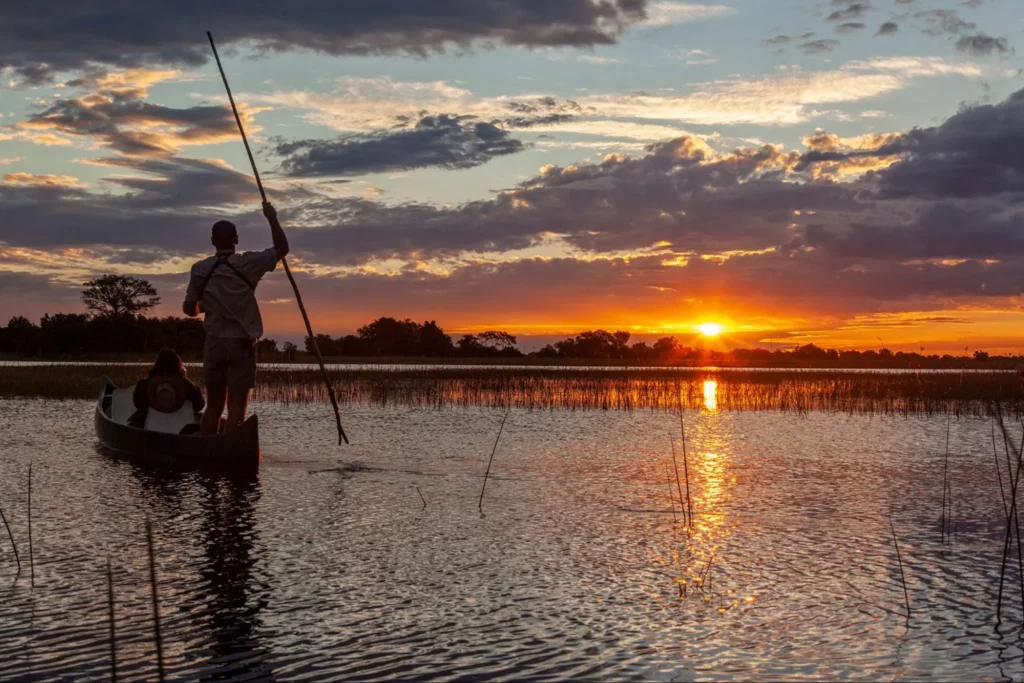
Mokoro excursions - a mokoro is a traditional dugout canoe, poled silently through the Delta channels by an experienced guide. This is one of the most iconic and distinctive experiences in Botswana, and it is possible nowhere else on Earth quite like this.
Boat cruises along the permanent channels of the Delta, covering more water and providing a different perspective on the waterway ecosystem.
Guided bush walks with an experienced, licensed guide. Walking in the African bush requires skill, knowledge, and absolute attention - and it is an experience that connects you to the wilderness in a way that no vehicle can replicate.
What Should You Pack?
When Is the Best Time to Go?
The Okavango Delta has two distinct seasons, and both offer exceptional experiences.
Dry season (May to October) is peak safari season. The Delta is at its flood peak from June through August, when water levels are highest and mokoro and boat activities are at their best. Wildlife concentrates around permanent water sources and game viewing is at its most intense. Mornings and evenings are cold - temperatures in June and July can drop to 5 degrees Celsius before sunrise, but warm to 25 degrees by mid-morning.
Green season (November to April) is the wet season - lush landscapes, dramatically reduced visitor numbers, and significantly lower prices. Birdlife is exceptional during the green season, with migratory species arriving from November onwards. Many guests are surprised by how good Green season game viewing can be, particularly for predators.
The single best month for combining flood activity and warm temperatures is July. For wild dogs specifically, the denning season from June through August is when packs are most reliably located.
How Do I Book a Bush Baby Calls Mobile Safari?
Our booking process is personal and direct. You fill in the enquiry form on our Plan Your Safari page, and you will receive a personal response within two hours during business hours. No automated response telling you someone will be in touch. Mogakolodi or a member of the team responds directly.
We will confirm availability, discuss your travel dates, group size, and interests, and send you a tailored package recommendation with full inclusions and pricing in USD. A 20% deposit secures your booking.
We operate across the Okavango Delta and Moremi Game Reserve. Packages run from 3 days to 11 days. Starting from $840 per person.
Latest Posts